Introduction
Childcare is just one of the most rewarding professions, yet it features its share of challenges. One of these obstacles is ensuring a risk-free setting for kids. With the boosting variety of children in instructional settings, recognizing childcare safety hazards becomes critical. The obligation of instructors prolongs beyond training; it consists of creating a safe ambience where children can find out and expand without fear of harm.
In this short article, we will discover different facets of child care safety and security dangers, focusing on positive steps educators can take. From first aid expertise to event reporting protocols, we intend to gear up teachers with the necessary devices and confidence to handle emergencies properly.
Understanding Child care Safety Hazards: Aggressive Actions for Educators
Childcare security hazards can show up in numerous types-- physical risks, wellness worries, and emotional threats. Recognizing these threats is the primary step in mitigating threats. Allow's damage down some common safety issues.
Common Child care Security Hazards
Physical Hazards- Slips and falls Sharp objects Unsafe playground equipment
- Choking incidents Allergic reactions (e.g., from food) Spread of infectious diseases
- Bullying or social isolation Inappropriate interactions with adults
By recognizing these hazards, teachers can create techniques to reduce risks.

Choking Avoidance in Children
Choking is one of one of the most instant threats that children encounter, specifically in childcare settings where children are susceptible to placing objects in their mouths. Fluent educators can aid avoid choking events by recognizing usual choking threats and applying reliable avoidance strategies.
Recognizing Choking Risks
It's essential for instructors to recognize foods that frequently pose choking dangers:
- Hot dogs Grapes Nuts Hard candies
Educators ought to additionally be attentive concerning small playthings or objects that can be aspirated.
Choking Prevention Strategies
Food Preparation- Cut food into tiny pieces. Avoid offering hard or rounded foods to young children.
- Always monitor youngsters while they eat. Encourage slow-moving eating behaviors and discourage chatting while chewing.
Epipen Administration: What Educators Required to Know
Anaphylaxis is an extreme allergic reaction that can occur unexpectedly and needs prompt intervention. Understanding just how to provide https://andygruw129.yousher.com/the-significance-of-examining-responsiveness-a-bls-essential an EpiPen is vital for anybody involved in child care settings.
Understanding Anaphylaxis Symptoms
Recognizing signs and symptoms early can conserve lives:
- Swelling of the face or throat Difficulty breathing Rapid heartbeat
Educators must acquaint themselves with these warning signs so they can act promptly if needed.
Steps for Epipen Administration
Check the prescription label. Remove the EpiPen from its case. Inject into the external upper leg at a 90-degree angle. Hold for 3 seconds before removing it. Call emergency situation solutions instantly after administration.Training on epinephrine auto-injector use should be part of every childcare team's first aid curriculum.
Managing Minor Wounds: An Overview for Educators
Minor injuries are commonplace in child care setups yet require to be dealt with without delay and effectively.
Types of Minor Wounds
Cuts and Scrapes Bruises Burns (small)Each type needs particular care methods to make certain proper healing and protect against infection.
First Aid Steps for Minor Wounds
Clean the injury with soap and water. Apply an antiseptic solution. Cover with a sterilized bandage. Monitor for signs of infection (soreness, swelling).Educators must be equipped with a well-stocked first aid package tailored for child care atmospheres, that includes all needed products for minor wound management.
Proper Hand Hygiene Practices in Child Care Settings
Hand hygiene plays a critical role in avoiding condition transmission amongst children in instructional settings.
The Relevance of Hand Hygiene
Regular hand cleaning can substantially reduce health problem rates among kids, keeping them healthy and balanced and prepared to learn.
Effective Hand Cleaning Techniques
Wet hands with tidy running water (warm or cold). Apply soap and soap well. Scrub all surfaces including in between fingers and under nails for a minimum of 20 seconds. Rinse thoroughly under running water. Dry hands utilizing a clean towel or air dry them.Encouraging great hand hygiene behaviors begins early; consequently, incorporating handwashing techniques right into day-to-day routines is important for promoting long-lasting behaviors among Click for info children.
Child Defibrillation Guidance: Essential Understanding for Educators
Sudden cardiac arrest might take place also among young people as a result of numerous factors such as congenital heart issues or severe physical exertion throughout play activities like sports events or health club classes.
Understanding CPR Basics
Knowing exactly how to carry out CPR on a youngster can make all the difference throughout an emergency scenario:
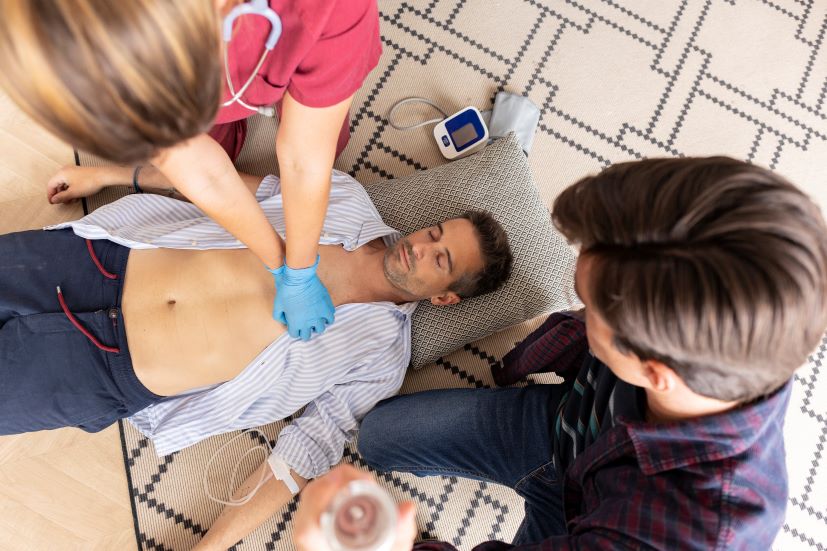
Call emergency solutions immediately. Start upper body compressions at a rate of 100-- 120 compressions per minute. Give rescue breaths after every 30 compressions (if trained).Training chances such as HLTAID012 supply first aid in education and learning training courses cover youngster CPR treatments extensively, empowering teachers with important life-saving skills.
Utilizing AEDs (Automated External Defibrillators)
In many universities today, AEDs are readily available on-site:
Turn on the device adhering to voice prompts. Attach pads as shown on the tool picture guide. Allow AED to analyze heart rhythm; adhere to directions offered by device audio cues.Every instructor should understand where AEDs lie within their facility along with exactly how they operate-- this understanding could potentially conserve lives!
Building Teacher Self-confidence With Educating Programs
Confidence plays an important duty when responding to emergencies within child care contexts! The even more knowledgeable an educator feels regarding their capacities-- the much better prepared they are when confronted with unanticipated occurrences taking place around them!
Benefits of Continual Education Programs
Participation in ongoing training programs guarantees that caretakers stay updated pertaining to best methods while gaining beneficial brand-new skills over time!
Key Locations Covered Include:
- First Help Basics Advanced Life Assistance Strategies Mental Health and wellness Recognition
These subjects foster confidence amongst personnel leading them towards being extra aggressive rather than responsive during situations situations arising unexpectedly!
FAQ Section
Q: What does HLTAID012 provide?
A: HLTAID012 gives detailed emergency treatment training especially developed for teachers working within academic environments guaranteeing they're geared up with essential skills & & knowledge needed responding successfully during emergencies!
Q: Exactly how usually must emergency treatment training be renewed?

Q: What things need to be consisted of in a childcare facility emergency treatment kit?
A: A fundamental kit ought to include adhesive tapes, disinfectant wipes/sprays/gauze pads/tape/ice packs/pain alleviation medications alongside any kind of customized equipment needed cater one-of-a-kind demands particular population serviced like those allergies handicaps etc.
Q: How do I identify bronchial asthma symptoms?
A: Typical signs include coughing/wheezing/chest tightness/breathlessness; if suspected constantly speak with medical professional immediately cpr refresher training customized action plans created personalized scenarios each child!
Q: What are case coverage protocols?
A: Case coverage includes documenting details bordering any type of injuries accidents occurring within facilities consisting of names witnesses nature case corrective actions taken guaranteeing openness liability future enhancements made as necessary prevent comparable incidents taking place once more down line ...
Conclusion
Understanding childcare security risks is not nearly compliance; it's about developing an environment where both kids and instructors feel safe and secure and positive navigating challenges together! By employing proactive steps like performing constant danger assessments/training staff consistently applying sound policies/procedures we can cultivate risk-free spaces advertise healthy and balanced development growth amongst children left our treatment!!
With understanding comes power-- encouraging those functioning directly youngsters enriches lives exceptionally favorably affecting communities forming future generations inevitably leaving enduring heritages behind!!